
Transparent Deck Stains in Chicago
Show Off the Natural Wood Grain — With Real Protection
Love the look of natural wood? A transparent stain keeps the grain, knots, and color on full display while adding UV and moisture defense. Here's how clear stains work, which decks they suit best, and when a heavier finish is the smarter call.


Get a free transparent stain quote
What a Transparent Deck Stain Actually Is — and When to Choose One
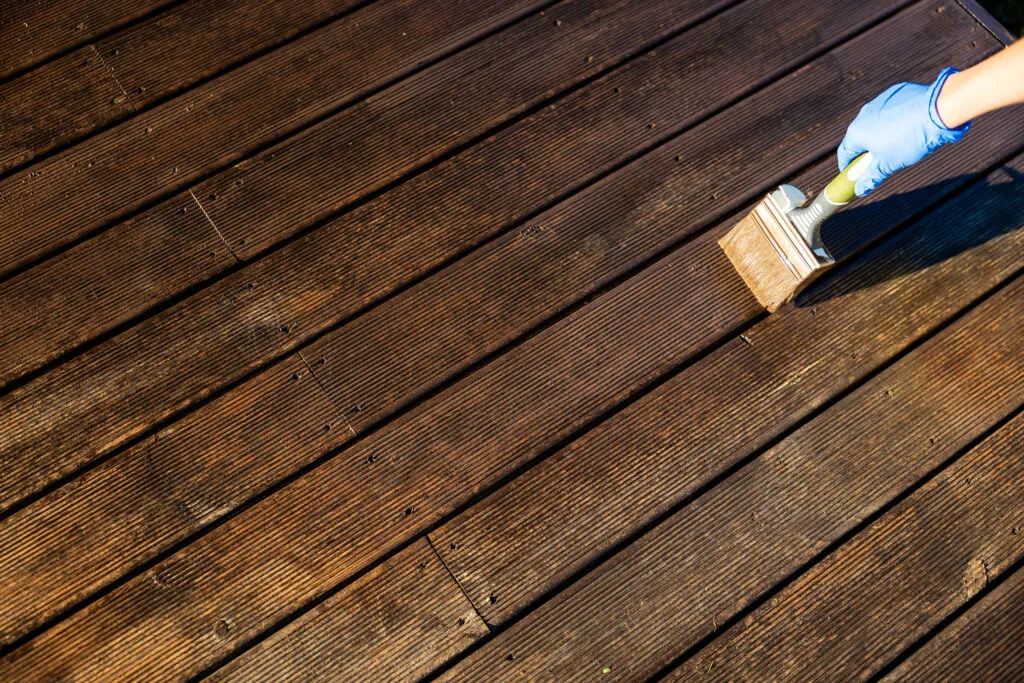
A transparent stain is the most natural-looking option in our professional deck staining lineup. Instead of laying a thick film on top of the boards, it penetrates the wood and carries just a whisper of pigment — enough to slow UV graying, but light enough that the grain, knots, and tone still read as real wood.
Think of deck finishes as a scale of opacity. A completely clear sealer mostly repels water; a transparent stain adds light color and UV defense; semi-transparent and solid stains trade away grain for longer-lasting protection. Transparent sits at the natural end — beautiful, but with a shorter reapplication cycle.
Here's what a transparent stain does for your deck:
- Keeps natural grain, knots, and color fully visible
- Adds light-to-moderate UV protection to slow graying
- Penetrates the wood so it fades instead of peeling
- Makes future recoats easy — usually no heavy stripping
- Pairs well with a compatible clear sealer for extra water defense
Call us at (630) 984-6116 or request your free estimate online.
Get FREE QuoteWhat a Transparent Stain Protects Against
Even a clear finish is doing real work. Here are the ways bare or under-protected wood fails in Chicago's climate — and how a transparent stain helps hold each one off.
Best Woods & Decks for a Transparent Stain
Transparent stains reward good wood. If your deck has grain worth showing off, one of these is likely a match — and we've finished them all across Chicago and the surrounding suburbs.
New Cedar Decks
Western red cedar has beautiful, warm grain that a transparent stain locks in. Sealing it early is the best way to keep that fresh-cut look.
Redwood Decks
Redwood's rich color deserves a finish that shows it off. A light transparent coat enhances the natural red hues without masking them.
Tropical Hardwoods
Ipe, Cumaru, and Mahogany are dense and stunning. They take specialty penetrating and transparent finishes that feed the wood without a heavy film.
Newer Pressure-Treated Pine
Once new PT lumber has dried out, a transparent stain keeps it looking natural while adding the protection builder-grade wood badly needs.
Feature & Show Decks
When the wood is the whole point — a statement deck, pergola, or entertaining space — transparent keeps every board's character front and center.
Transparent vs. Semi-Transparent vs. Solid
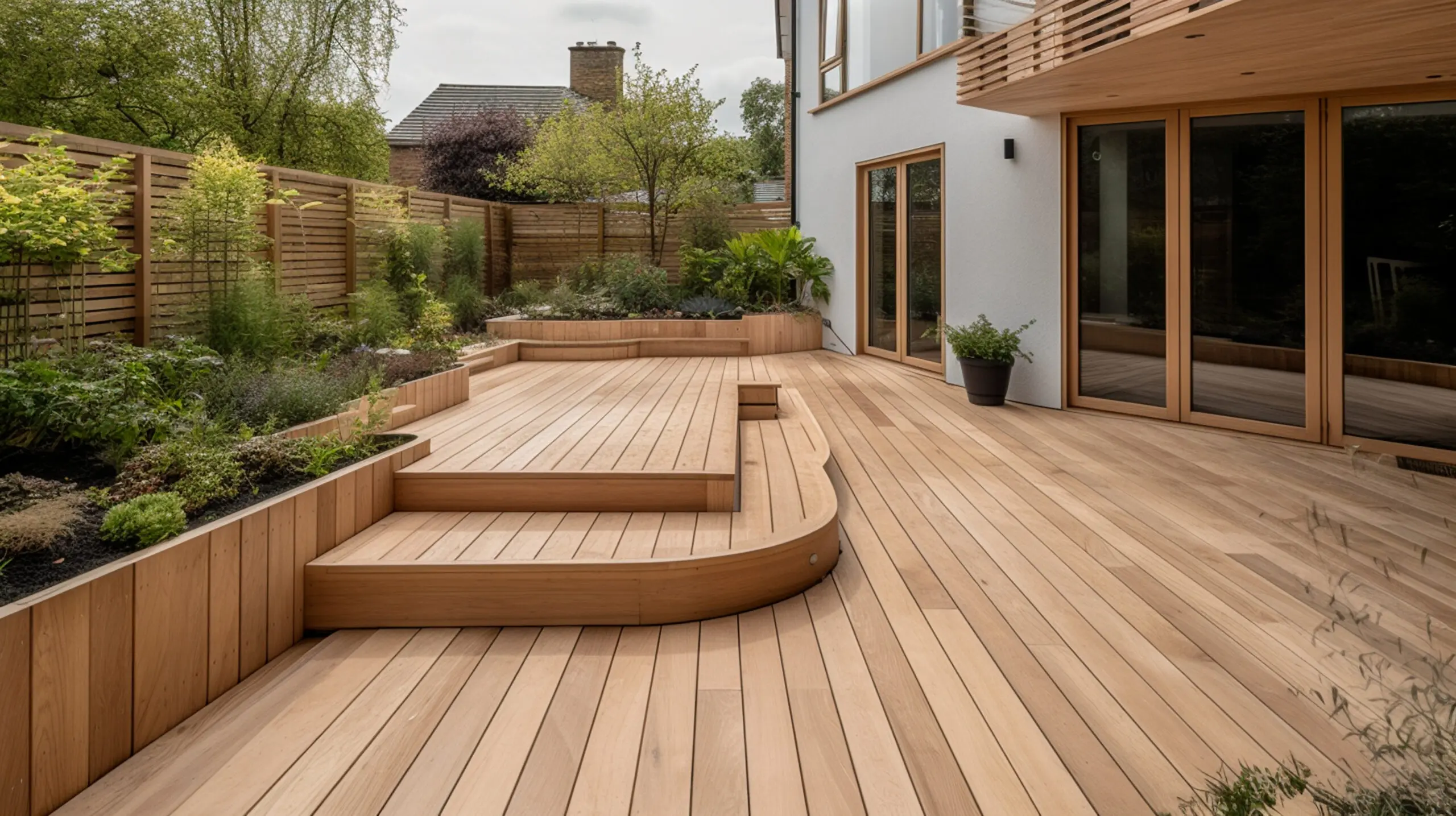
Opacity is the single biggest decision in any staining project. Here's how transparent stacks up against the other two finishes we offer, so you can weigh looks against longevity.
| What matters | TransparentMost natural | Semi-Transparent | Solid |
|---|---|---|---|
| Grain visibility | Full, natural | Visible with color | Hidden |
| Color / tint | Very light, clear | Medium tone | Opaque, paint-like |
| UV protection | Light to moderate | Strong | Maximum |
| Best for | New cedar, redwood, hardwoods | Most Chicago decks | Old or weathered wood, repairs |
| Reapply about every | 1–2 years | 2–4 years | 4–5 years |
Not sure which column fits your deck? Explore the full range on our deck staining service page, or let us bring samples to your free estimate and test them on your actual boards.
How We Apply a Transparent Stain: Four Steps
A clear finish hides nothing — including sloppy prep. That's why our transparent staining process is all about getting the wood right before the first coat.
Transparent Stain Cost & Upkeep in Chicago
Transparent stains cost less per coat than film-forming finishes but need refreshing more often. Here's a realistic picture of pricing and the maintenance rhythm before your free on-site quote.
Typical Price Ranges
| Service | Typical Cost |
|---|---|
| Transparent stain application (per sq ft) | $2 – $5 |
| Clean & brighten prep (per sq ft) | $1 – $3 |
| Strip old finish, if needed (per sq ft) | $1 – $3 |
| Add-on clear sealer coat (per sq ft) | $1 – $2 |
| Hardwood oil upgrade (Ipe / Cumaru) | +15 – 25% |
Costs depend on wood, condition, and prep. Prices reflect Chicagoland labor and materials and are confirmed after inspection. For a full picture of refinishing budgets, see our deck project cost & DIY guide.
Example Estimate
A smaller deck in good shape can start near $700, while a large or heavily weathered deck needing stripping runs higher. Wondering how often to refresh? See our restaining timing guide.
Get Your Exact PriceWhat Our Staining Clients Are Saying
"Couldn't be happier with my deck staining! The team was on time, professional, and did an incredible job. My deck looks brand new, and the finish is perfect. Highly recommend!"
"We wanted to keep our cedar deck looking natural, and the transparent stain was exactly right. It made the grain pop without hiding it, and they tested samples on our own boards before starting. The color is beautiful."
"Honest and easy to work with. They walked us through transparent versus semi-transparent and recommended what actually fit our hardwood deck instead of upselling. Clean work, and the finish still looks great months later."
Transparent Deck Stain FAQs: Straight Answers from Our Team
What is a transparent (clear) deck stain?
A transparent deck stain is a lightly pigmented, penetrating finish that soaks into the wood instead of forming a thick film on top. Because it carries only a small amount of pigment, it lets the natural grain, knots, and color show through while still adding a layer of UV and water resistance. It's the most natural-looking option among our deck stain opacities, sitting one step above a fully clear sealer and below semi-transparent and solid stains.
How is a transparent stain different from a clear sealer?
A clear sealer is mainly about water repellency and adds little or no UV protection, so bare wood underneath still grays over time. A transparent stain includes a touch of pigment and UV-blocking additives, so it slows graying and fading while keeping the natural look. Many decks get the best result from a transparent stain first, followed by a compatible waterproofing sealer for extra moisture defense. You can read more on why sealing matters in our guide to the benefits of regularly sealing wood.
Does a transparent stain protect against UV and water?
Yes, but to a lesser degree than higher-opacity finishes. The light pigment gives light-to-moderate UV protection, and the penetrating resins repel water to reduce swelling and cracking. The trade-off for that natural look is a shorter service life, which is why transparent stains need more frequent reapplication than semi-transparent or solid — a pattern backed by wood-finishing research from the USDA Forest Products Laboratory.
How often do I need to reapply a transparent deck stain?
In the Chicago climate, most transparent stains last about one to two years before they need a refresh, compared with two to four years for semi-transparent and four to five for solid. Sun-drenched, south-facing decks fade fastest. The upside: because a transparent stain penetrates rather than peels, recoating is usually a simple clean-and-reapply. Our how-often-to-restain guide walks through the signs it's time.
What wood types look best with a transparent stain?
Transparent stains shine on new or good-condition wood with attractive grain: western red cedar, redwood, and tropical hardwoods like Ipe, Cumaru, and Mahogany. Newer pressure-treated pine can also take one once it's dried out. Old, gray, or heavily weathered boards with mismatched repairs usually look better under a semi-transparent or solid finish that evens out the color — a call we'll make honestly during your estimate.
Can you apply a transparent stain over an old finish?
A transparent stain has to penetrate the wood, so it can't go over a solid stain, paint, or any film-forming coating. If your deck currently has that kind of finish, we strip and brighten the wood back to a raw, absorbent surface first. If the old coating is failing across the whole deck, a full deck restoration may be the better starting point before restaining.
How much does transparent deck staining cost in Chicago?
Most transparent staining projects run about $2 to $5 per square foot, depending on the wood, its condition, and how much prep or stripping is needed. A typical 300–400 sq ft deck often lands between $700 and $1,600 including cleaning, brightening, and application. You can see itemized ranges in the cost section above, and every quote is free and confirmed on-site. Contact us to get your exact price.
Still Weighing Your Finish Options?
Transparent is just one of the opacities we offer. If you'd rather compare colors, coverage, and longevity side by side, our full deck staining and finishing service lays out every option — and we'll match the right one to your wood and your goals.