
An exotic hardwood deck is one of the best investments you can make in a backyard—and one of the easiest to accidentally ruin. Woods like Ipe, Cumaru, Tigerwood, and mahogany are prized for their deep color, tight grain, and near-legendary durability. But those same qualities make them behave completely differently from the cedar and pressure-treated pine decks most contractors are used to.
Over the years, our crews at Chicago Deck Expert have restored a lot of these decks across the North Shore and the western suburbs—and we've also fixed plenty that were "restored" the wrong way by someone who treated Ipe like a softwood. This guide walks through why exotic hardwoods are different, how our Ipe deck restoration process works in Chicago's climate, and the specific product we reach for when we do.
Why Exotic Hardwoods Are a Different Animal
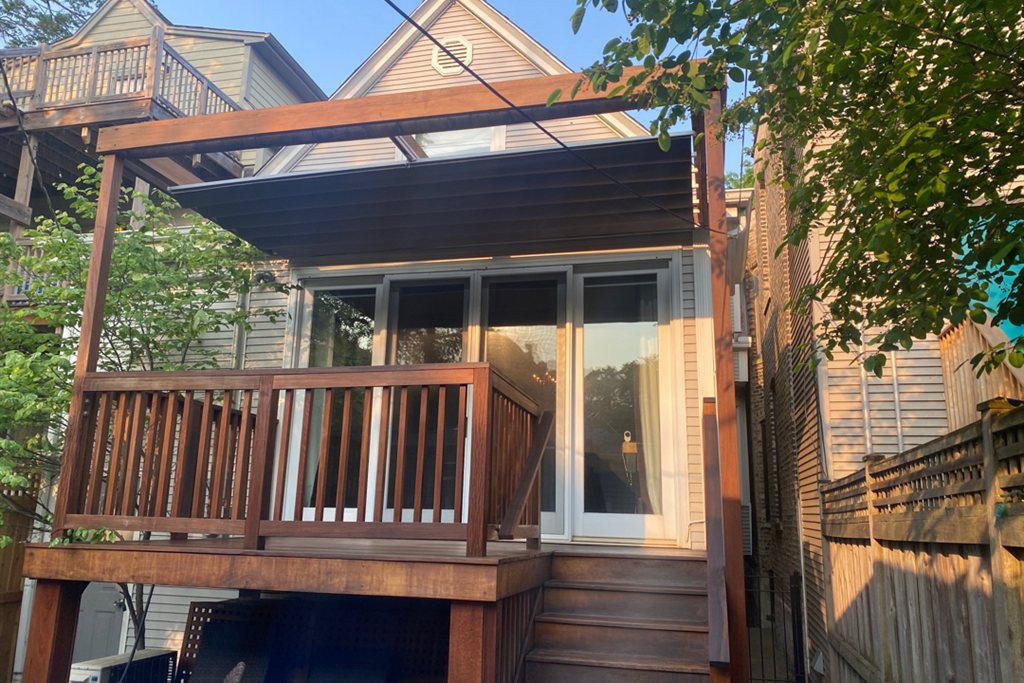
Ipe is so dense it barely floats. It's rated for decades of service, resists rot and insects naturally, and shrugs off foot traffic that would dent a softwood. The catch is that all that density leaves very little room for a finish to soak in. Pour a standard deck stain onto Ipe and much of it just sits on the surface, stays tacky, and eventually flakes off in sheets.
The other challenge is Chicago itself. Our freeze-thaw cycles, lake-effect moisture, and intense summer UV are hard on any deck, but they're especially unforgiving on hardwood. Left unsealed, even Ipe turns a silvery gray within a season or two, and the ends of the boards start to "check"—those fine surface cracks that open up as the wood repeatedly swells and dries. None of it means the wood is failing; it means the finish and the maintenance schedule weren't matched to the material.
Signs Your Hardwood Deck Is Due for Restoration
Exotic hardwood rarely rots the way a neglected pine deck does, so the warning signs are more about appearance and surface condition than structural failure. On the decks we assess, we're usually looking for:
A deck that has grayed out and lost its warm brown or reddish tone; a patchy, flaking finish where an old film-forming product is peeling; raised grain or a rough, splintery feel underfoot; end-checking and fine cracks at board ends; and black mildew spotting in shaded, damp corners. When two or three of these show up, the right move is usually a professional deck restoration rather than a full rebuild—hardwood almost always has the bones to come back beautifully.
Our Exotic Hardwood Restoration Process
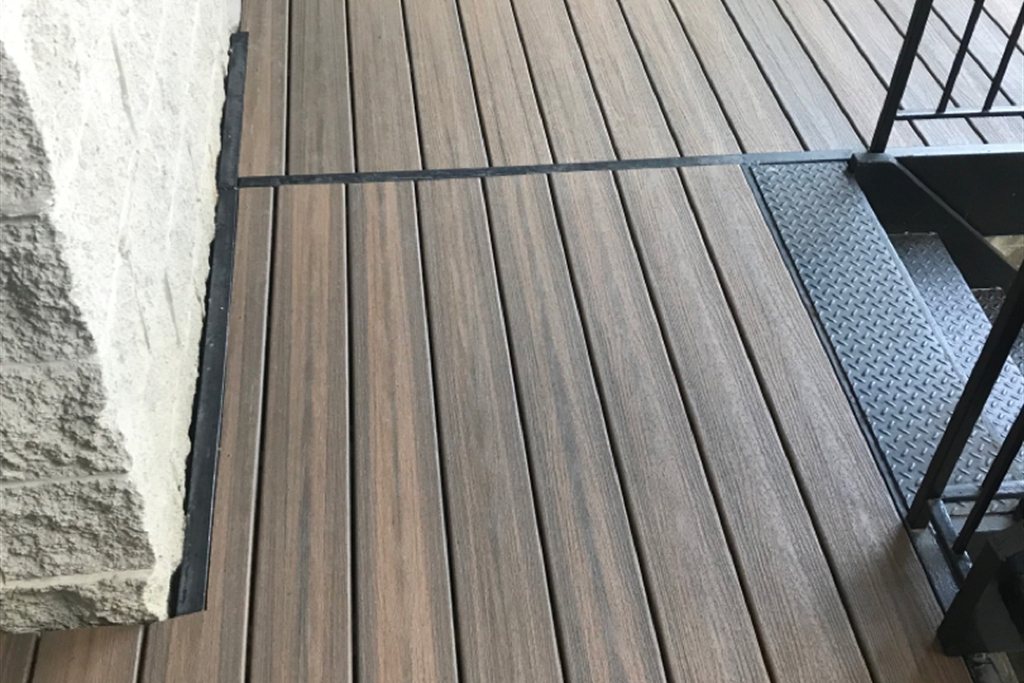
No two hardwood decks are in the same shape, but our restorations generally follow the same disciplined sequence. Skipping steps is exactly how these projects go wrong.
1. Inspection and a realistic plan. We start with a walk-through to confirm the wood species, check the fasteners and framing, and set expectations on color. Some sun-baked Ipe won't return to showroom-new, and we'll tell you that honestly before we start.
2. Deep cleaning. Good prep work is everything here: we use a specialized wood cleaner to lift dirt, mildew, and old degraded finish, applied at controlled pressure. Blasting hardwood with a heavy pressure washer furrows the soft grain between the hard grain and does more harm than good, so we keep it gentle and deliberate.
3. Brightening. After cleaning, a wood brightener neutralizes the surface and restores the natural pH, pulling the warm tone back out of grayed boards. This step is what makes the "before and after" so dramatic on hardwood.
4. Sanding and detailing. Where boards are rough, splintery, or end-checked, we sand to knock down raised grain and smooth walking surfaces. On hardwood, this also opens the ultra-tight pores just enough to accept oil.
5. Oiling and sealing. Once the deck is bone-dry, we apply a penetrating oil-based sealer built for dense tropical wood, working it into the grain and wiping back the excess so nothing is left to film over. More on that product below.
The Product We Actually Use on Hardwood
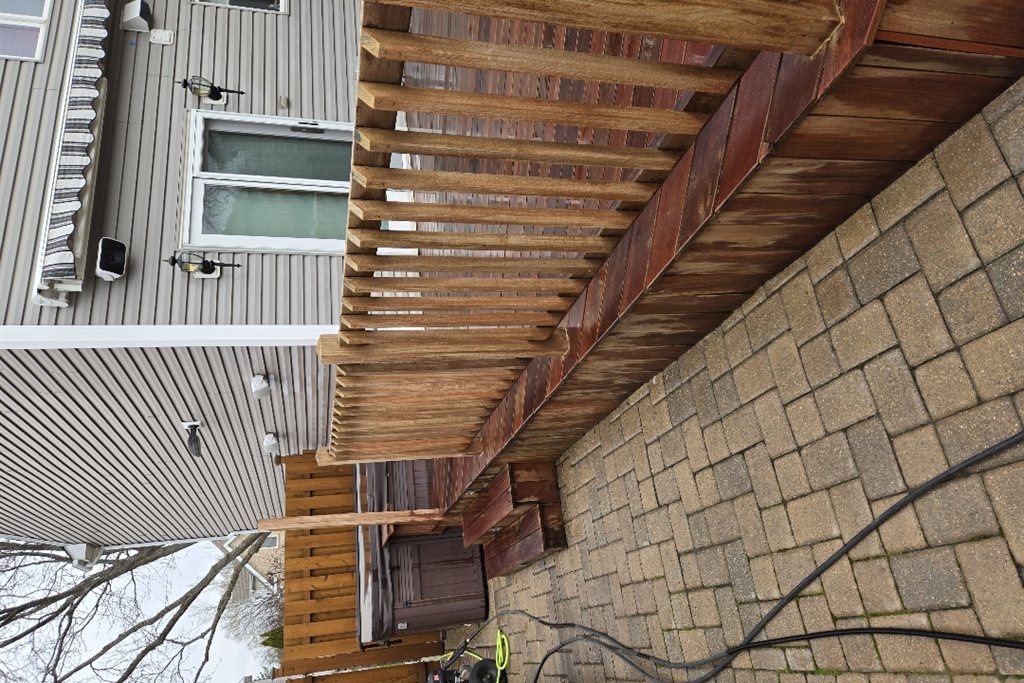
This is where matching the finish to the wood matters most. For Ipe, Cumaru, Tigerwood, and other dense hardwoods, we reach for Rymar Exotic Forest—a low-VOC, tung-oil-based sealer developed specifically for woods that reject ordinary stains. Because it penetrates instead of forming a film, it can't flake or peel; when it's time to refresh, we simply clean and recoat rather than strip.
It keeps the wood's rich natural color, fights the UV gray-out, and reduces the checking and cracking that plague hardwood through Chicago winters. As a bonus, it carries a natural citronella-based mosquito repellent—a small but genuinely nice touch on a summer evening.
We don't use big-box, film-forming coatings on hardwood, and we'll gently talk you out of them if you've been sold on one. On dense wood, those products are the single most common reason a gorgeous Ipe deck ends up looking blotchy a year later. Our guide to how often to restain a deck explains the timing, so you can plan maintenance instead of reacting to it.
Keeping an Exotic Deck Looking Its Best
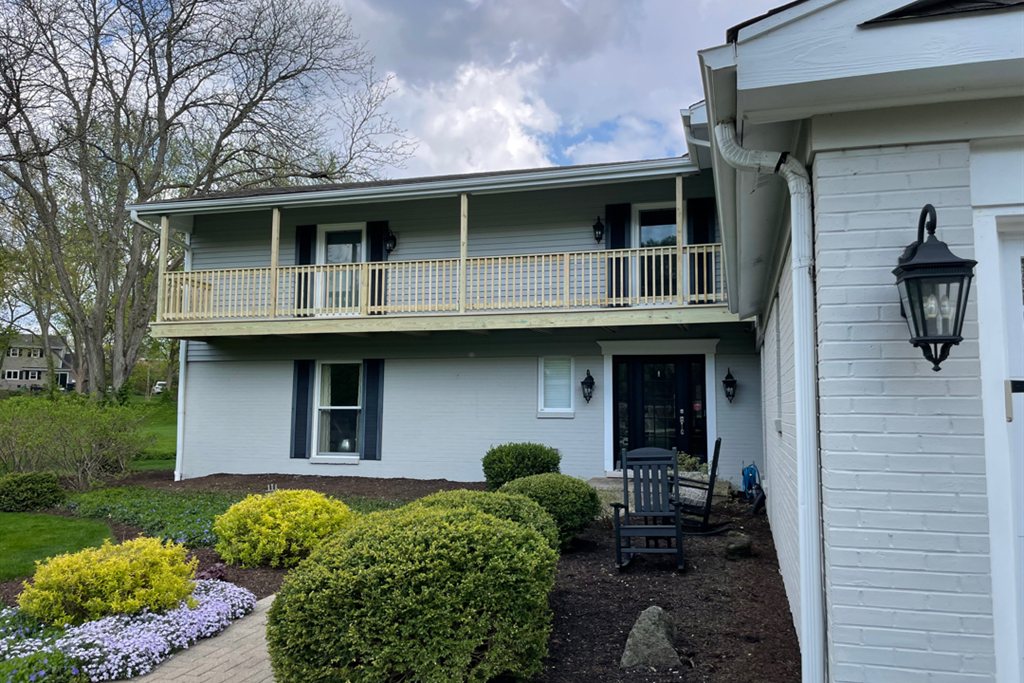
The maintenance rhythm for hardwood is different from a softwood deck. Because a penetrating oil fades gradually instead of peeling, upkeep is refreshingly simple: rinse the deck a couple of times a season, keep leaves and standing water from sitting in corners, and plan on a clean-and-recoat roughly every one to two years depending on sun exposure. West- and south-facing decks that bake all afternoon will want it sooner than a shaded north-side deck.
Sweep grit off regularly—on hardwood, fine debris underfoot acts like sandpaper—and our year-round deck maintenance guide covers the softwood and composite side of that seasonal routine too. Address mildew early in damp, shaded spots before it sets in, and an Ipe deck can look rich and stay smooth for decades—exactly why homeowners chose the wood in the first place.
Why Homeowners Trust Us With Their Hardwood
We've been caring for Chicagoland decks since 2009, and exotic hardwood is one of the areas where experience matters most—because the margin for error is small and the wood is expensive to replace. From our base in Glenview, we serve homeowners across the North Shore and western suburbs, including Winnetka, Wilmette, and Evanston, where premium Ipe and mahogany decks are common.
Every project starts with a free, no-pressure on-site estimate. We'll confirm your wood species, test a small area so you can see the color return on your actual boards, and give you an honest plan—whether that's a full restoration, a simple recoat, or targeted repairs before the finish goes on. As the North American Deck and Railing Association notes, proper cleaning and finishing is the single biggest factor in how long a deck's surface lasts—and on dense hardwood, it's everything.
Ready to Bring Your Hardwood Deck Back?
If your Ipe, Cumaru, or Tigerwood deck has grayed out, gone rough, or lost the color you fell in love with, it very likely has years of life left in it. The trick is restoring it with the right process and the right oil—not treating it like an ordinary softwood deck. Request a free estimate from Chicago Deck Expert and we'll help you get that warm, rich hardwood glow back for many Midwest seasons to come.